
Environmental regulations in ultra-trail are no longer just greenwashing. Several major organizations now impose material obligations on runners, with penalties in place, while research in traumatology is producing its first consolidated data on injury mechanisms during descents. We are also observing structural changes in female performance over extreme distances and in the technical support of trail shoes.
Environmental Regulation in Ultra-Trail: From Charter to Disqualification
Major ultra-trail races are integrating ecological footprint reduction directly into their sporting regulations. Disposable dishes are disappearing from aid stations in several events on the UTMB circuit, requiring each runner to carry their own equipment (cup, cutlery). Non-compliance with these provisions can lead to a disqualification rather than just a warning.
Some organizations plan to require a biodiversity assessment before and after each championship starting in the coming years. Here we find all the info on Ultra Sport detailing these regulatory changes over the seasons. This institutionalization marks a paradigm shift: biodiversity becomes a criterion for awarding international competitions, not just a voluntary commitment.
Traumatology in Descents: What Research Will Publish in 2026
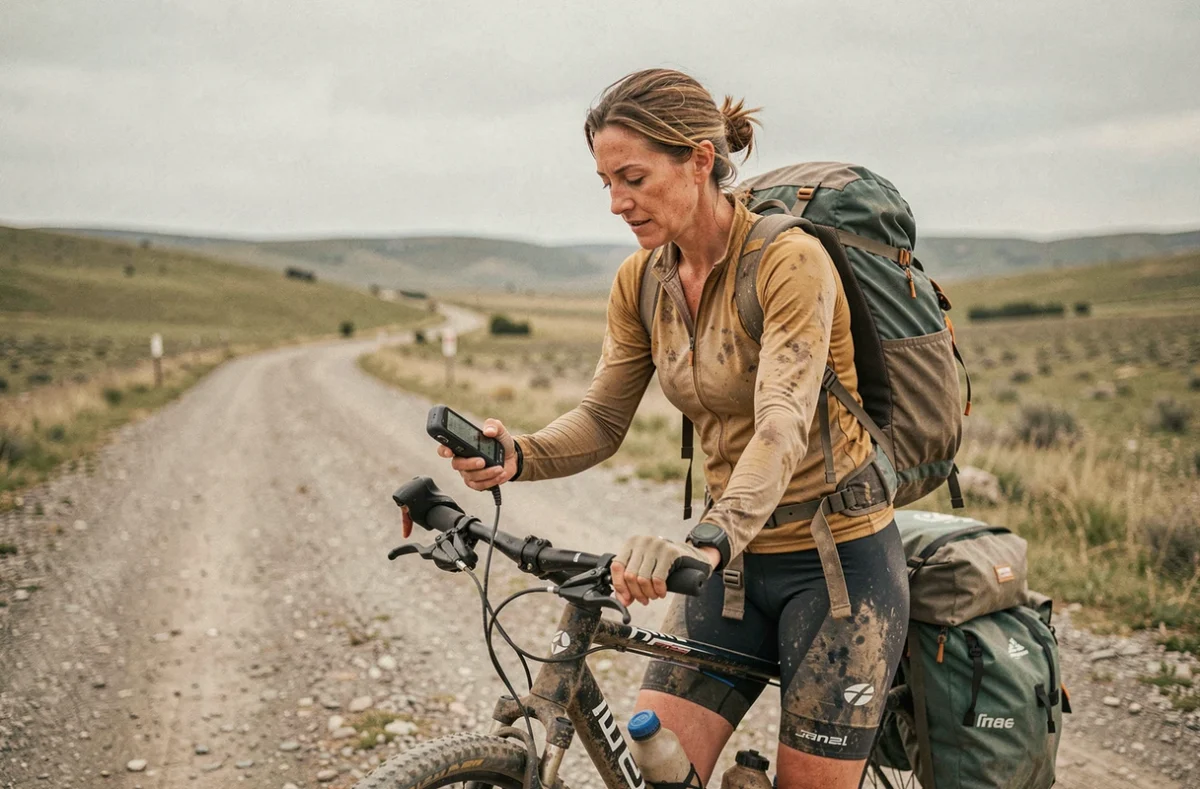
A review published in Frontiers in Public Health in September 2026 consolidates data on recurrent traumatic mechanisms in ultra-trail. Falls during descents are the main cause of injury, far ahead of pathologies related to prolonged effort (rhabdomyolysis, hyponatremia).
The most affected joints are the ankle, knee, foot, and lower leg. This injury pattern is not new for practitioners, but the review provides quantitative insights into a less documented point: the increasing burden of rescue operations related to exhaustion, including for uninjured runners who are lost or behind time barriers.
In practical terms, this means organizations must size their safety measures not only for physical trauma but also for the logistical management of late withdrawals in isolated terrain. We recommend that runners treat descents as a full-fledged technical skill, not just a simple recovery segment between two climbs.
Implications for Physical Preparation
Excentric strengthening of the quadriceps and ankle proprioception are not just preventive accessories. The literature on strength training applied to ultra-trail runners confirms that these two areas significantly reduce the risk of trauma in technical descents.
- Targeted eccentric work (Bulgarian squats, weighted step downs) at least twice a week during the specific preparation phase
- Dynamic proprioception on unstable surfaces, incorporating prior fatigue to simulate end-of-race conditions
- Long outings including a descent/ascent ratio greater than 1, which the majority of training plans still neglect
Female Performance in Ultra-Endurance: A Confirmed Trend in Long Distances
Recent data confirm a trend we have observed for several seasons: women are showing remarkable performances in ultra-distance. Advanced physiological mechanisms include better lipid oxidation at moderate effort, more consistent pace management, and increased resistance to muscle damage during prolonged effort. These hypotheses remain debated, but field results corroborate them race after race.
What This Changes for Organizations
Several major races are adjusting their formats to offer truly equitable rankings and prizes. The question is no longer whether women can compete in ultra-distance, but how competition formats reflect this physiological reality.
Trail Shoes: Stack Height and Technical Trade-offs
The issue of stack height is gaining importance in the debate over trail equipment. This regulation, long confined to road running, is being discussed for extension to trails with specific thresholds.
The technical challenge is clear: a thick sole improves cushioning but degrades proprioception in technical terrain, paradoxically increasing the risk of falls. Manufacturers like Hoka are seeking a compromise between energy efficiency and stability.
- Carbon plates, very effective on the road, lose relevance on rough terrain where the natural flex of the foot aids in ground adaptation
- High-resilience foams (like PEBA) raise questions about durability on rocks and roots, degrading faster than in road races
- The notion of “spring effect” remains legally vague in current texts, leaving room for interpretation by equipment manufacturers
Global Growth of Trail: New Geographical Relays
The trail and ultra-sport market is experiencing rapid expansion beyond its historical strongholds (France, Switzerland, United States). China is developing a large-scale outdoor racing ecosystem, driven by an urban middle class seeking alternative sports practices.
In France, trail running has significantly progressed over the last decade. This growth is accompanied by increased professionalization of organizations, with rising demands for safety, insurance, and environmental impact that increase the entry cost for small events.
The tension between the democratization of the practice and the rise in organizational constraints constitutes the main structural challenge for the sector in the coming seasons. Local races, often run by associations, struggle to absorb these costs without raising entry fees, creating a risk of fracture between premium circuits and regional events.