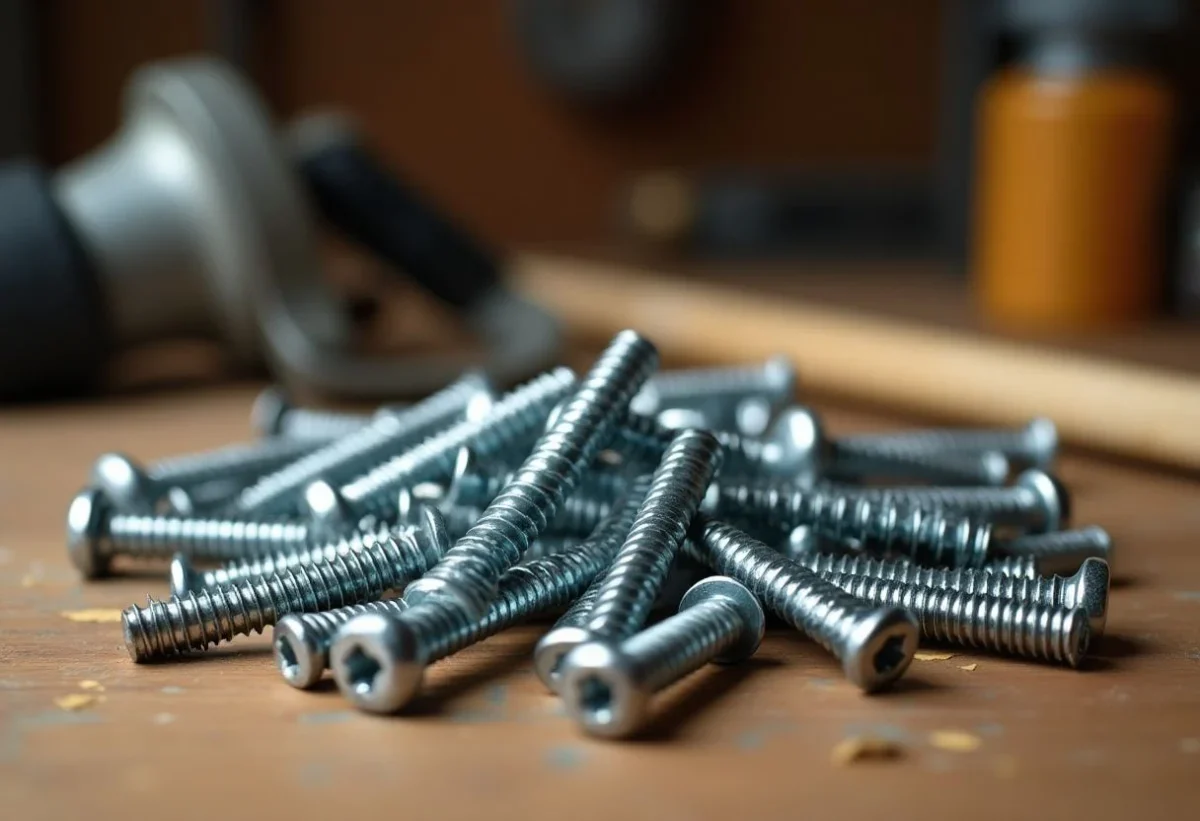
Galvanized steel is widely used in many industrial sectors due to its resistance to corrosion. However, it is natural to wonder whether, despite its protective zinc coating, this steel is susceptible to oxidation. To answer this question, it is essential to understand the galvanization process and the various factors that influence its durability.
Understanding Galvanized Steel
Composition of Galvanized Steel
Galvanized steel is the result of a combination of metals where raw steel is coated with a layer of zinc. This zinc coating serves as a barrier against corrosion. The protection is ensured by an electrochemical reaction where zinc sacrifices itself to protect the iron contained in the steel.
Galvanization Process
Galvanization is the process by which steel is immersed in a bath of molten zinc. This method, known as hot-dip galvanization, allows for the formation of iron-zinc alloy layers that increase corrosion resistance. Electrolytic galvanizing is another commonly used technique, although it is thinner, it is often suited for small parts.
Corrosion Resistance
The corrosion resistance of galvanized steel depends on the thickness of the zinc coating and the quality of the galvanization process. The thicker the coating, the more durable the protection against rust. Zinc, being a less noble metal than steel, corrodes first, thereby sparing the underlying steel.
Service Life
The service life of galvanized steel can reach up to 70 years, depending on environmental conditions. Marine environments or areas with high pollution can reduce this lifespan. Regular maintenance and upkeep also play a crucial role in the longevity of the material.
Corrosion Mechanism
Electrochemical Reaction
Corrosion is primarily due to an electrochemical reaction between zinc and the external environment. This reaction forms corrosion products that can, over time, reduce the effectiveness of the protection.
Surface Influence
The surface of galvanized steel plays an important role in corrosion resistance. The smoother and cleaner the surface, the better the protection. Proper surface treatment before galvanization is therefore essential.
Thickness of Zinc Coating
The thickness of the zinc coating directly affects corrosion resistance. A thicker coating provides better protection, although this may increase the cost of the material.
Effect of Surface Treatment
Additional surface treatments can be applied to enhance corrosion protection. These treatments include zinc-rich paints or organic coatings that act as an additional barrier.
Factors Impacting Rust Resistance
Environment
Environmental conditions, such as humidity, proximity to the sea, or pollution levels, significantly influence the corrosion of galvanized steel. Appropriate maintenance can mitigate these effects.
Type of Steel
The quality of the steel used also affects its corrosion resistance. Stainless steels, for example, contain nickel and are known for their superior rust resistance compared to galvanized steel.
Quality of Galvanization
The quality of galvanization depends on the processes used. Hot-dip galvanization is generally more durable than electrolytic galvanization, although the latter is more suitable for certain specific applications.
Maintenance and Upkeep
Regular maintenance, such as cleaning and applying protective coatings, can extend the service life of galvanized steel. It is essential to monitor the condition of the zinc coating and carry out necessary repairs to prevent rust.