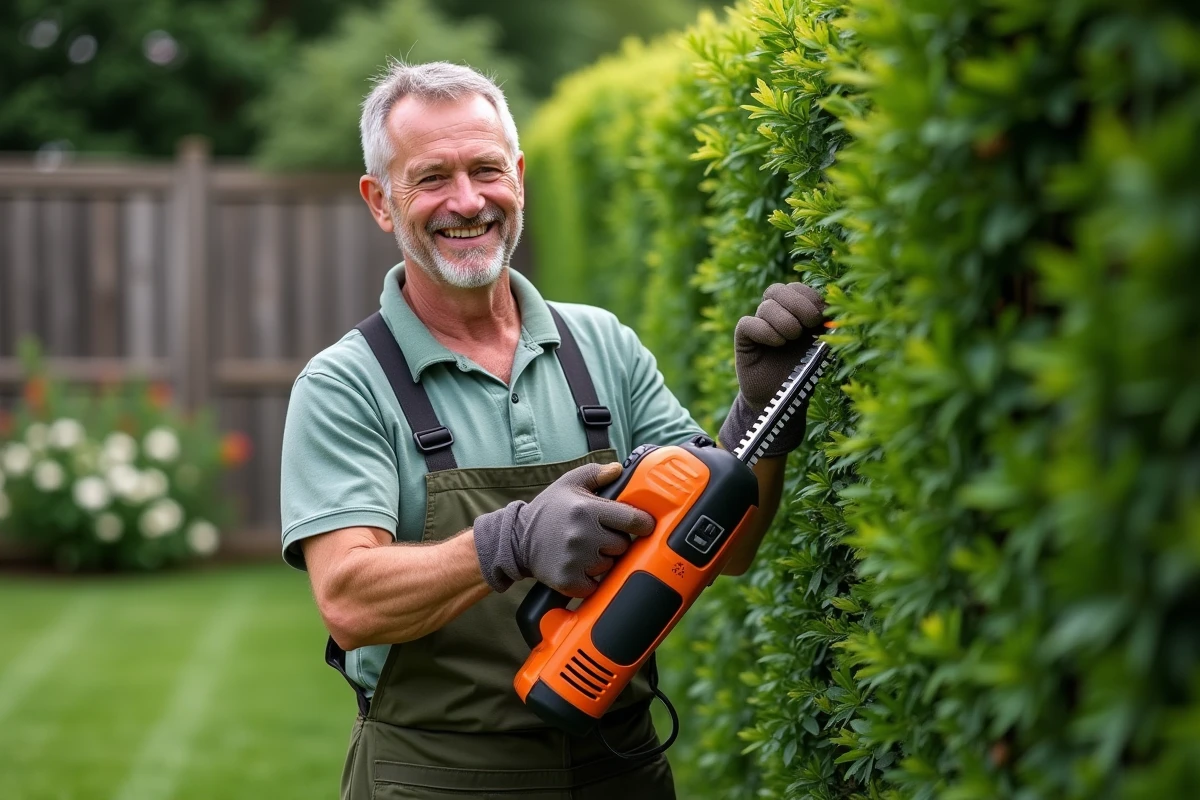
Autonomy or lightweight, what really determines the performance of a hedge trimmer? Appearances can be deceiving: a discreet model can outperform a giant in terms of maneuverability, especially when your terrain has many corners and the hedges alternate between dense foliage and delicate borders. Gas, electric, or battery-powered: each type of motorization has its own implications, from weight to cutting duration, not to mention maintenance. The range is constantly expanding: varied blade lengths, safety devices, anti-vibration technologies… It’s hard to navigate through it all as the segmentation intensifies.
Why the choice of hedge trimmer depends on your garden and your needs
Choosing a hedge trimmer is never a standardized action. Each plot imposes its own rules. Between the density of a hedge, the height of shrubs, sometimes limited accessibility, and maintenance frequency, your garden dictates the specifications. It’s impossible to treat a dense hedge of thuja the same way as simple boxwood borders: the former requires power and cutting length, while the latter demands flexibility, a manageable weight, and great precision.
To keep control over maintenance, observe your terrain in detail. A small space calls for a compact, maneuverable device with a good grip. On a large area, the autonomy of the hedge trimmer quickly becomes a central point: wired, battery, or gas, it all depends on the duration of your sessions and the distance to cover. Some models are suited for occasional use, with a few trims each season, while others are designed for regular and sustained work.
Here are the main criteria to consider during your selection:
- Blade length: impacts the speed of execution and the degree of finish of the work.
- Motor power: determines the ability to tackle thick branches without straining.
- Anti-vibration system: reduces fatigue, especially during prolonged or repeated trimming.
To refine your choice, consult detailed analyses and reviews at https://www.taillehaie.info/. You will find comparisons tailored to every type of garden. Tools evolve, just like needs: depending on the season, plant growth, or type of intervention, the ideal model will not always be the same. A suitable hedge trimmer combines safety, efficiency, and comfort, in tune with your green environment and your actual expectations.
What are the different types of hedge trimmers and their specific uses?
The market revolves around four main families of hedge trimmers. Each garden configuration has its technical response. Maintenance requirements, frequency of use, and practicality expectations: the choice of model is tailored to fit.
Here are the main types of hedge trimmers and their uses:
- Gas hedge trimmer: robust and enduring, it is ideal for long hedges or thick branches. With its powerful motor, it holds up during prolonged trimming without cable constraints or recharging. Professionals use it for its ability to ensure sustained work, season after season.
- Electric hedge trimmer: perfect for medium hedges, it appeals with its lightweight and simplicity. Just plug it in: it starts up quickly, without overwhelming noise or exhaust fumes. Suitable for residential gardens, it is limited by the length of the cord.
- Battery hedge trimmer: it combines freedom of movement with low noise levels. Thanks to advancements in lithium-ion batteries, autonomy has increased, and power now rivals that of electric models. Maneuverability and ease of storage complete the picture, allowing for regular maintenance without being tethered.
- Pole hedge trimmer: designed for tall hedges, it allows you to effortlessly reach the tops of shrubs without using a ladder. The telescopic pole facilitates high trimming and secures intervention across the entire foliage.
Prices vary depending on the motorization, blade length, and overall robustness. When choosing, consider not only the configuration of your terrain but also the density of the hedges to maintain. The effectiveness of a hedge trimmer relies on a delicate balance: motor power, blade quality, and overall ergonomics, all of which make a difference in use, whether you are a passionate amateur or an experienced gardener.
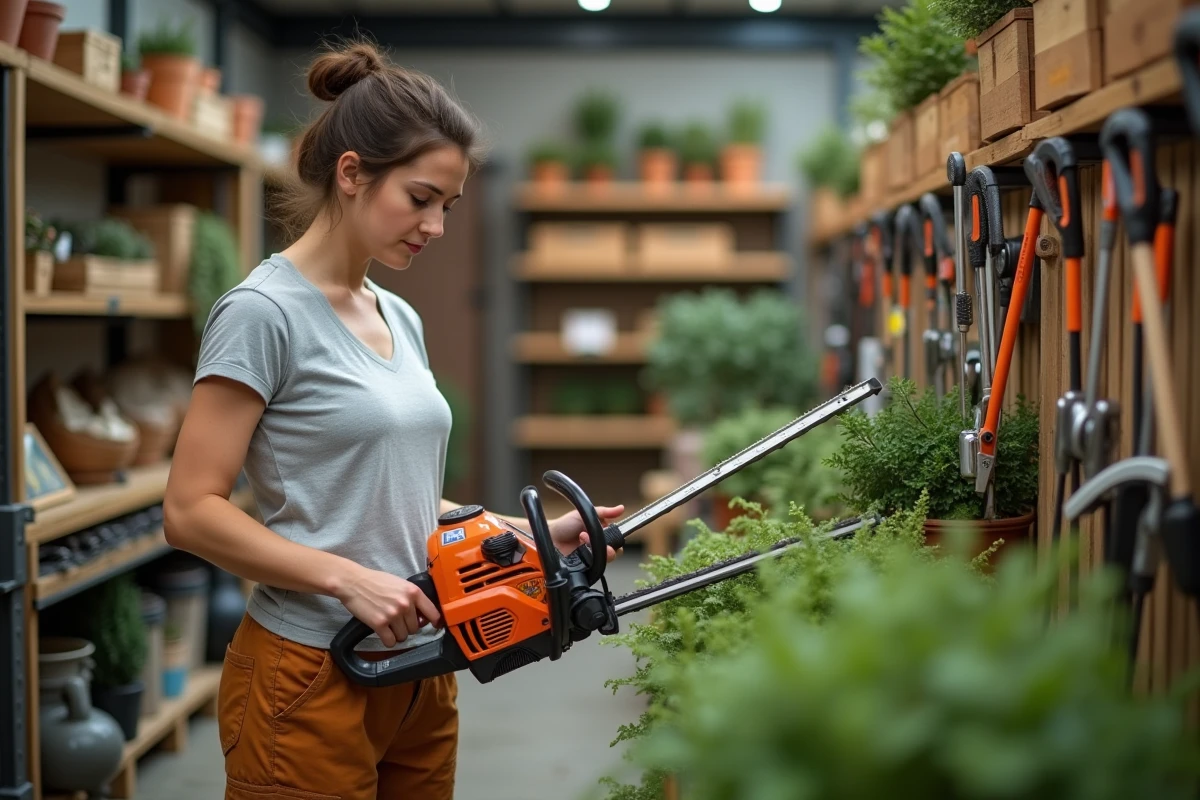
The essential criteria for comparing and selecting the ideal model
In the face of a plethora of models, every detail must be examined closely. Start with the motor: gas for heavy-duty tasks, battery for maintenance trimming, corded if the outlet is accessible and the area is moderate. The blade, the true backbone of the tool, makes a difference on dense or old hedges: a long, sturdy blade promotes a clean and effortless cut; for borders or finishing touches, a shorter blade gains in precision.
To leave nothing to chance, check these key criteria:
- Weight and ergonomics: a device that is too heavy can quickly tire you out, especially if the session drags on. Well-balanced models with ergonomic handles ensure comfort and safety.
- Autonomy: each mode of operation imposes its constraints. The battery requires strict management, the corded limits movement, and the gas offers power and independence… at the cost of increased weight.
- Price: the cost depends on the technology involved, accessories, and the quality of components. A high-end hedge trimmer costs more but promises durability and longevity.
Options that make a difference: anti-vibration system, rotating handle, dual trigger. These details, once you have the hedge trimmer in hand, transform the experience. Safety is also a priority: blade guard, instant stop, everything is designed to prevent incidents. A well-trimmed garden always starts with the right tool, chosen wisely.