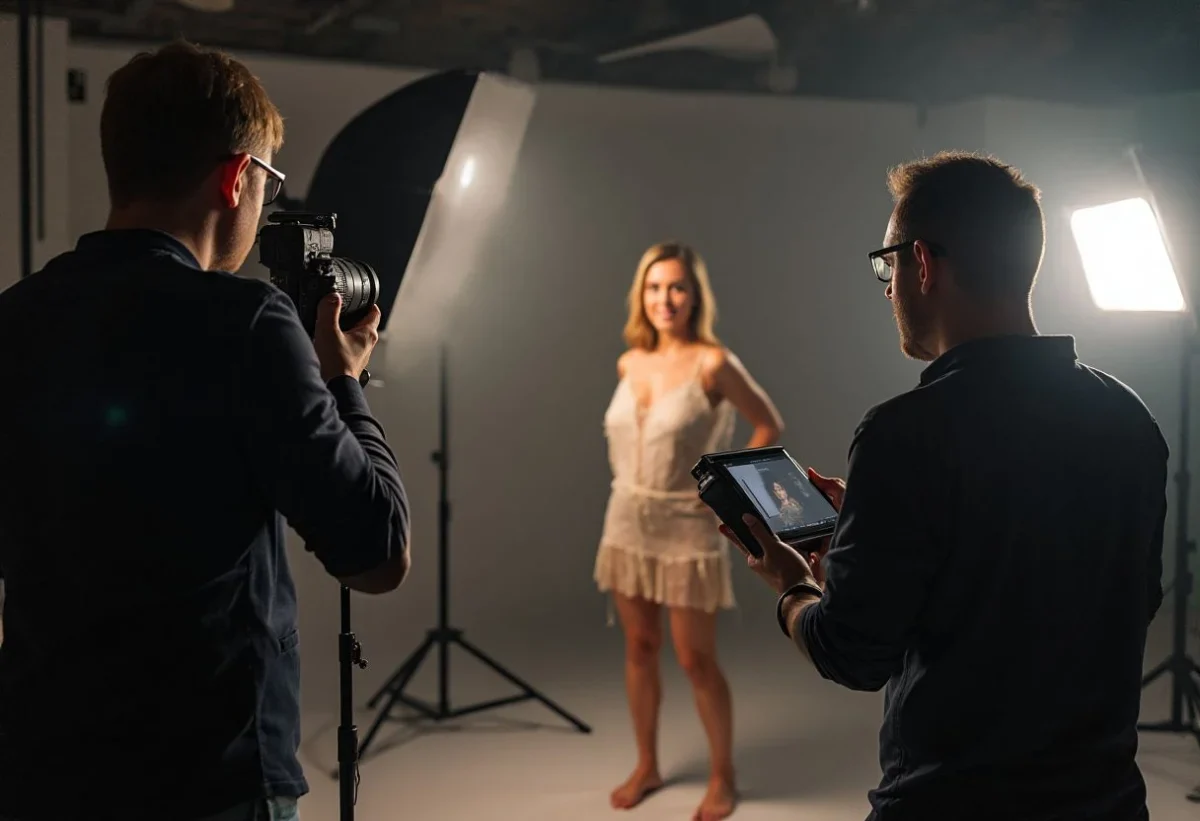
The world of photography is not just about capturing stunning images. For some, it is also a way to make a living, share their vision of the world, and stand out with their unique artistic style. In France, becoming a photographer-author is a specific process that offers particular tax and legal advantages. To achieve this, it is essential to familiarize oneself with the administrative procedures and legal obligations surrounding this status.
What is a photographer-author?
Before embarking on the steps to become a photographer-author, it is imperative to understand what this status means and the responsibilities that come with it. It is not enough to take photos; it is also about valuing creative work.
A photographer-author is primarily a creator of original images. Their main activity is the sale of their works for artistic purposes. This status is reserved for the creation and sale of original works as defined by French legislation.
It is important to distinguish this status from that of a professional photographer, whose main activity may include photographic service provisions, such as weddings or corporate portraits, which is not allowed within the strict framework of the photographer-author.
The administrative procedures to declare oneself
Becoming a photographer-author involves complying with a number of administrative and legal formalities. These steps are essential to benefit from the advantages linked to this particular status.
- Registration with URSSAF: The first step is to register with URSSAF as a photographer-author. This registration is crucial as it allows you to benefit from a specific social contribution scheme.
- Obtaining the SIRET number: Upon registration, a SIRET number will be assigned to you. This number is essential for invoicing your clients and being officially recognized as a photographer-author.
- Affiliation with the Maison des Artistes: To operate legally, it is often recommended to affiliate with the Maison des Artistes or AGESSA, depending on your type of income. This affiliation helps manage your social contributions and benefit from certain social advantages.
Managing copyright
Copyright is a fundamental aspect of the photographer-author status. These rights protect you and ensure fair remuneration for the exploitation of your works.
- Moral rights: They protect your work and allow you to claim authorship of your photographs as well as oppose any distortion or alteration of them.
- Economic rights: They allow you to control the use of your works and receive income from this exploitation, whether through the sale of copies or the granting of reproduction rights.
Understanding these rights is essential to protect your work and ensure fair remuneration. As a photographer-author, you have the right to decide how your photographs are used, reproduced, or modified. For optimal protection of your works, it is often advisable to engage collective management societies that handle your rights and ensure that you are compensated for the exploitation of your work.
The role of photography training in the journey
To acquire the necessary skills to declare oneself a photographer-author, taking a photography training can prove to be a wise choice. This can provide a better understanding of the technical and artistic aspects while preparing for the realities of the photography market.
A solid training allows one to master various photographic techniques, develop a strong artistic identity, and understand the legal issues related to copyright. Training also offers the opportunity to learn how to build a quality portfolio, an essential element for effectively promoting one’s work to galleries, publishers, or potential buyers.
Finally, these trainings often facilitate networking with other photographers and industry professionals, thus creating valuable learning and collaboration opportunities for any aspiring photographer-author.