The travel market today offers a considerable amount of activities, excursions, and all-inclusive packages. In the face of this overwhelming offer, the promise of a stay “rich in emotions” can be found in almost all brochures and specialized websites. The question that arises is less about finding activities than about distinguishing a truly memorable experience from an interchangeable service.
Travel Activities and Connection to Place: What Separates Experience from Product
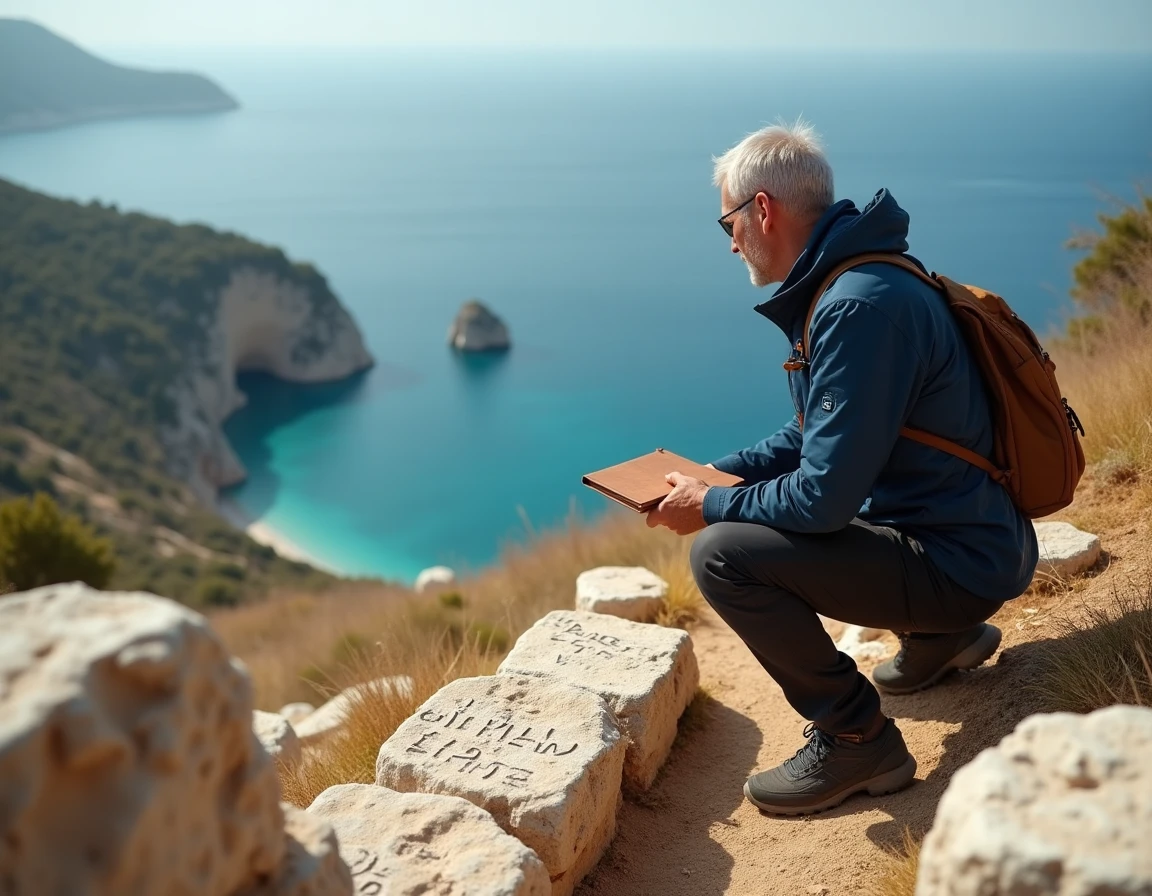
A local cooking workshop, a kayaking trip along a coastline, a hike accompanied by a local resident: these proposals now appear in the majority of catalogs. The format often resembles one operator to another, with standardized durations and comparable group sizes.
What shifts an activity into the realm of experience rarely relates to its nature. It is more about how it fits into a specific context. A picnic in nature does not carry the same significance depending on whether it is organized in a tourist-friendly park or in a location chosen by a local guide, with products sourced from the immediate region.
The activities offered by Voyage 2 Rêve illustrate this logic of personalization, where the choice of experience depends as much on the traveler’s profile as on the destination itself.
An activity creates a connection when it tells something about the place where it takes place. A sea outing off the coast of Croatia and the same outing off the coast of Thailand should not resemble each other, neither in pace, nor in exchanges, nor in what is observed. When the setting changes but the flow remains identical, we are facing a product, not a discovery.
Tailor-Made Travel or Multi-Activity Tour: The Limits of Each Formula

Tailor-made travel promises total immersion, tailored to the traveler’s desires. The multi-activity tour focuses on variety, combining several disciplines in a single trip (hiking, biking, kayaking, cultural visits). Both approaches have their blind spots.
Tailor-Made and the Risk of Insularity
A fully personalized stay can paradoxically trap the traveler in their own expectations. By only choosing what they already like, they miss out on the element of surprise that makes a trip memorable. Feedback from the field varies on this point: some travelers appreciate the reassuring framework, while others regret not being challenged in their habits.
Multi-Activity and the Temptation of the Catalog
Conversely, stacking four or five different activities over a week sometimes produces a superficial effect. Multiplying activities does not guarantee the richness of a stay. A three-day trek with local encounters often leaves a more lasting impression than a succession of thematic half-days without a guiding thread.
The segment of adventure tourism and immersive experiences remains among the most dynamic in travel, with increasing demand for personalization rather than classic tours. This trend pushes operators to rethink their formats, but not all do so with the same depth.
Concrete Criteria for Choosing Activities that Leave a Mark on a Stay
Before booking an excursion or themed stay, several criteria can help filter proposals that are truly rooted in a territory:
- The size of the group: small group experiences (fewer than ten participants) encourage exchanges with local stakeholders and reduce the “mass guided tour” effect.
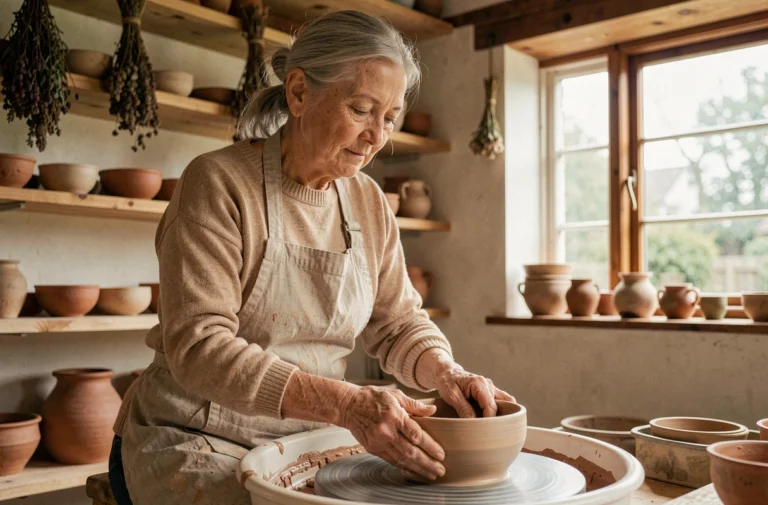
- The connection with a local person or story: a guide who lives on-site, an artisan who opens their workshop, a fisherman who shares their morning outing. The presence of a locally rooted interlocutor changes the nature of the activity.
- The absence of duplicability: if the same activity is offered word for word in ten different destinations, it is a weak signal. An experience tied to a landscape, a season, or a specific know-how is more likely to create a distinct memory.
- The pace of the stay: a program that leaves free time between activities allows the traveler to absorb what they are experiencing, to revisit a place, to engage in an unplanned conversation.
Cultural Immersion and Adventure in Nature: Two Registers Not to Confuse
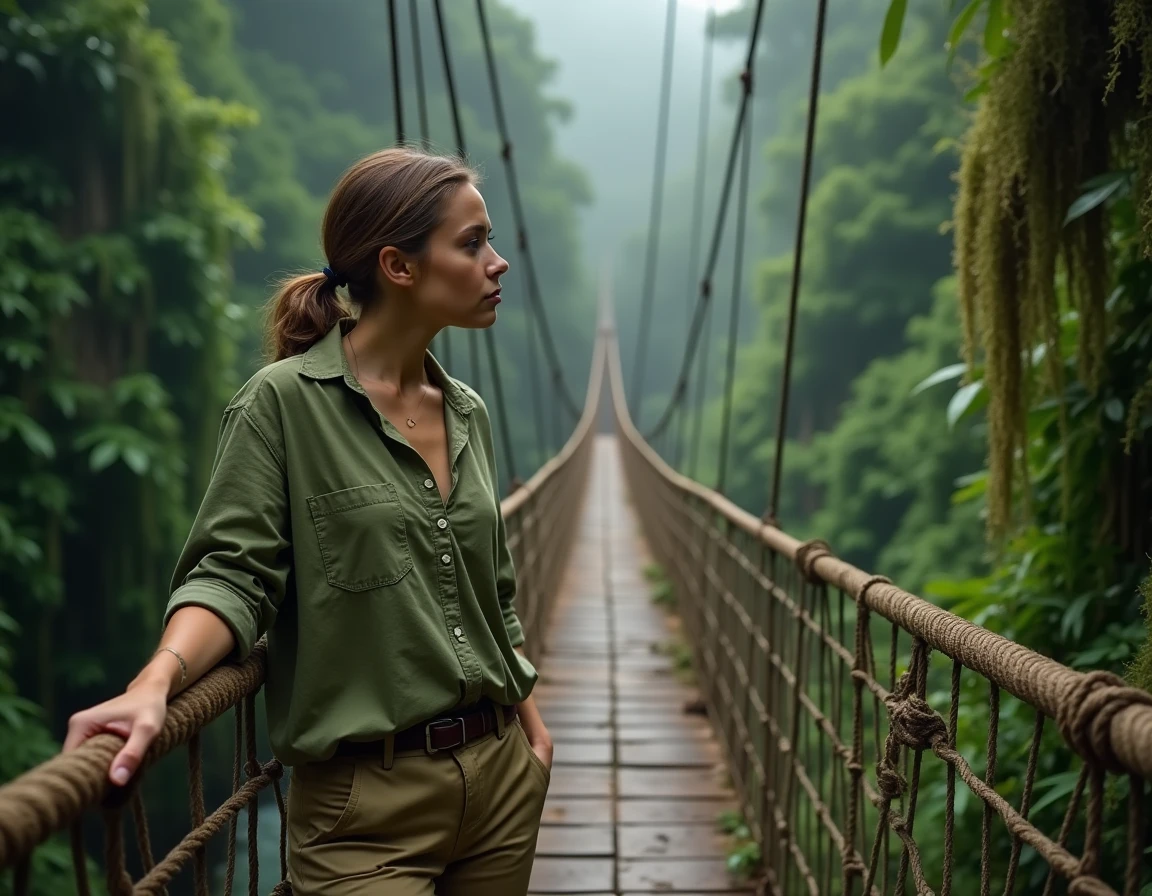
Travelers seeking strong emotions often oscillate between two registers: immersion in a culture (cuisine, crafts, local festivals, daily life) and physical adventure in nature (trekking, climbing, diving, camping). Both can coexist in the same trip, but combining them without reflection produces a disjointed program.
Cultural immersion requires long time and slowness. Spending a day with a family in a village, participating in a harvest, understanding a ritual: these moments cannot be compressed into two-hour slots. In contrast, a day of mountain hiking or a kayaking trip operates on a different rhythm, more physical, more contemplative.
The available data do not allow us to conclude that one register outweighs the other in terms of satisfaction. However, testimonials published by several operators (such as those visible at Emotion Planet) show a common point: travelers remember the moments when they felt a shift from their daily lives, whether cultural or physical.
Building a Trip Around an Intention Rather Than a List
The most common trap is to approach trip preparation as an inventory. One checks off activities, fills days, optimizes available time. A trip built around a clear intention produces sharper memories than a saturated program.
This intention can be simple: understanding how a coastal community lives, crossing a mountain range from one side to the other, learning a specific craft technique. It provides a narrative thread to the stay and allows for coherent choices among available activities.
Small-scale experiences have gained visibility in recent years, from picnics in nature to outings off the beaten path. This evolution reflects a growing demand for intimate and less standardized moments, where the traveler is no longer a spectator but a participant.
The journey that leaves a mark is not the one that accumulates the most activities. It is the one where each day answers a question that the traveler was asking, even vaguely, before departing.