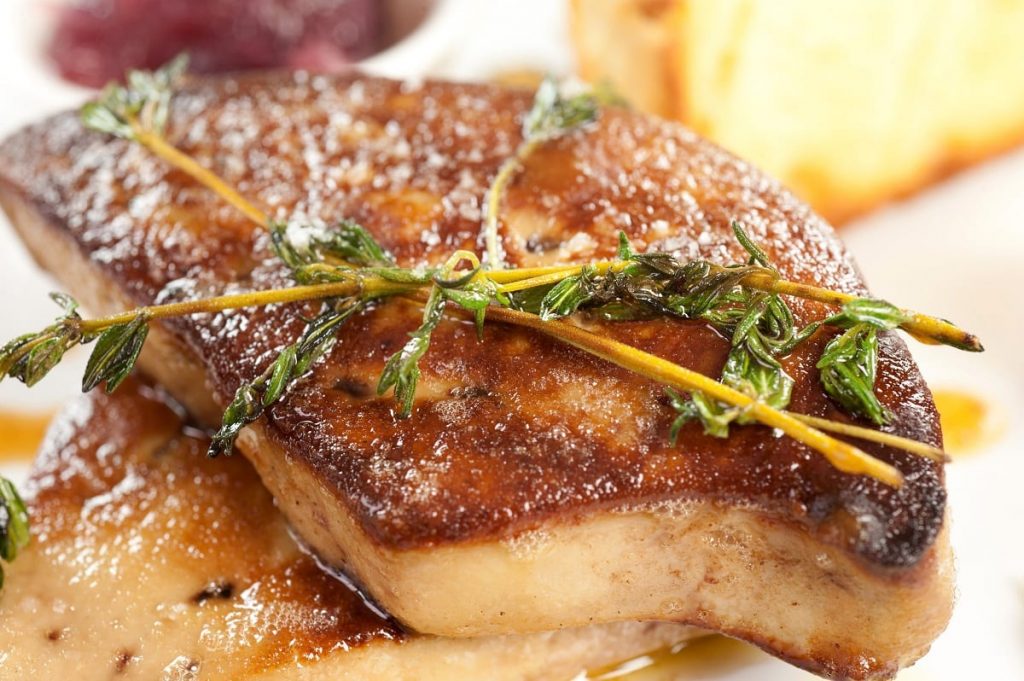
Foie gras bans
One might think of a correlation of events in the most classic cause-and-effect model. But it is clear that the “discovery” by a group of researchers from Toulouse regarding the possibility of producing “ethical” foie gras is the result of long observation and in-depth study of the behaviors and biology of geese and ducks. Of course, the good resolution comes about a month after the official announcement of the foie gras ban in New York, where the measure voted on by the city council will not take effect until 2022, but it has sparked a series of chain reactions, with restaurateurs and producers on the side of restaurateurs and producers against a ban — on the production, sale, and consumption of delicious duck foie gras — which honestly does not seem like the best way to tackle the problem. We have already said: foie gras production is one of the most invasive and bloody practices in the food production system, and as such, although it is linked to a long gastronomic tradition, it must be reconsidered in light of more mindful behavior — of production and consumption. But bans without recourse (just a few days ago, about 400 duck farmers from New York State gathered to ask Governor Cuomo to support their lawsuit against Mayor de Blasio) are likely to seem just a way to wash their hands, which do not educate the consumer and at the same time turn a blind eye to other abuses in the food industry.
Ethical foie gras (?) thanks to bacteria
Instead, the hope is that new paths will be traced. For example, some researchers from Toulouse are attempting, starting from the bacteria responsible for the liver hypertrophy of geese and ducks, normally obtained through force-feeding (gavage) by foie gras producers. By observing the migration of birds in the fall, the researchers noted that by feeding spontaneously to accumulate energy reserves for travel, the animals trigger a combination of intestinal bacteria that leads to fat accumulation. Reproducing the right combination of bacteria in the lab means being able to stimulate the biological growth of hepatic steatosis, without resorting to forced feeding. Therefore, achieving the production of foie gras that the researchers describe as “natural,” even if — it must be emphasized — the proposed solution still involves the “invasive” intervention of humans, who administer the serum presence of bacteria from the first days of the chick’s life. Less bloody, of course; but not natural. The liver thus obtained is twice as small as traditional liver – about 400-500 grams in weight – as it results from spontaneous growth, which occurs in about 6 months. Even the taste changes, say those who have already had the chance to try it, cleaner, more aromatic… And thus the texture and color, with the former being firmer and the latter more intense.
Foie gras starting at a thousand euros per kilo
For the moment, experimentation is already underway within the company Valerie Fosserie, which has first decided to bet on the method perfected over two years of work by researchers from Aviwell to offer the product on the international market, at more than doubled prices: if a “normal” foie gras costs between 300 and 400 euros per kilo, for Aviwell’s natural foie gras, you reach a thousand euros. Despite this, even for the curiosity generated by what is announced in France as a true revolution in a widely spread (and tolerated) system, demand is high. The first batch available, about 20 kilos of natural foie gras, is already sold out, and has made a fortune in the first store that chose to offer it to its customers, in the town of Calmont, south of Toulouse. Where 125 grams of product are offered at 124 euros: “A high price,” explains the owner of Comptoir de l’Hers, “that the most attentive customers are willing to spend because they want to know what they are eating, where it comes from, and if it is produced with respect for the animal. This is the direction.” In America, meanwhile, a solution is being studied that is resolutely in line with the new interests of the food industry, starting with the use of cutting-edge technologies. And thus, in the land of food substitutes – just a few days ago, it was reported that Impossible Foods is on the podium of American companies that increased their revenue last year – in California, the startup Just is seeking a way to cultivate liver cells in vitro to produce foie gras in the lab.
Ethical foie gras from Extremadura
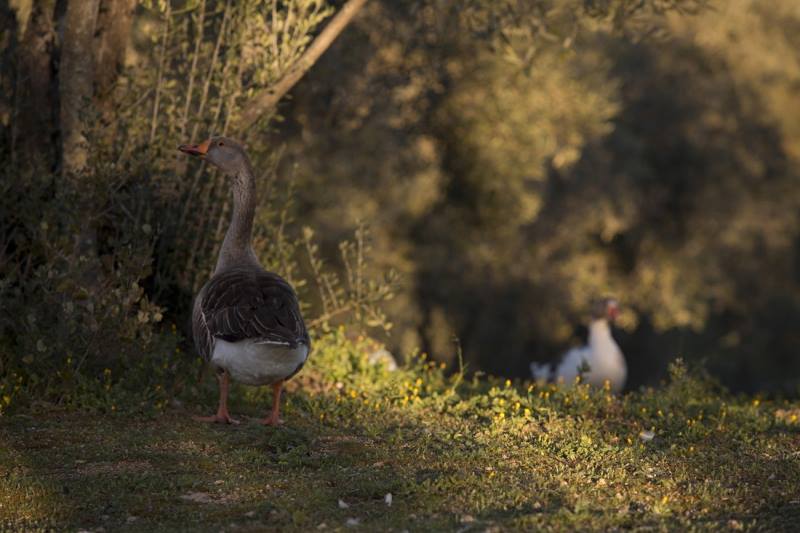
However, remember that in Spain, for some years now, Pateria di Sousa (and, riding the wave, the French ecologist Diego Labourdette) has been producing ethical foie gras — that is, truly natural — by raising geese in the wild, allowing them to feed naturally, with grass and acorns that guarantee the spontaneous accumulation of fat also studied by researchers from Toulouse. And without administering solutions in test tubes, but only by providing the animals with a varied and rich diet.
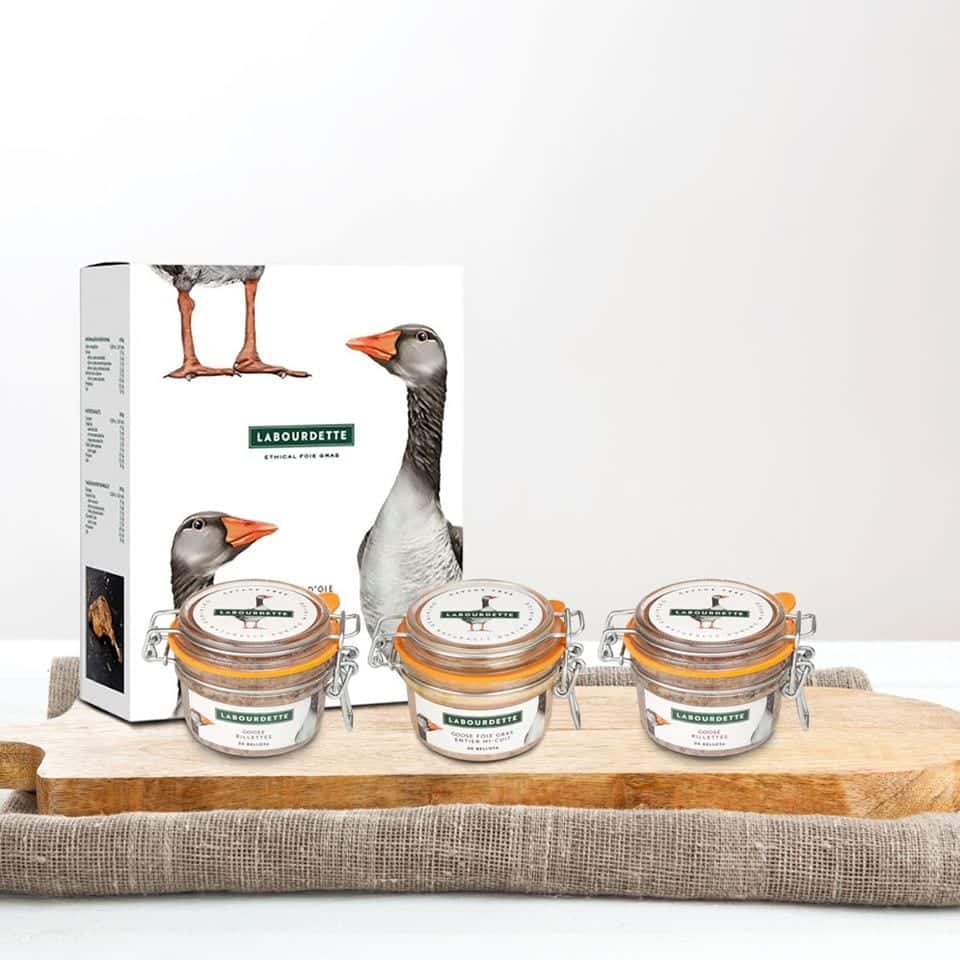
For a limited availability of products — which follows the natural rhythm of things — at about 900 euros per kilo.
organized by Livia Montagnoli
Tag : More info on CBD